Big Walk Challenges & Puzzles
Cooperative problem-solving strategies that help your party think like hikers, not walkthrough readers.
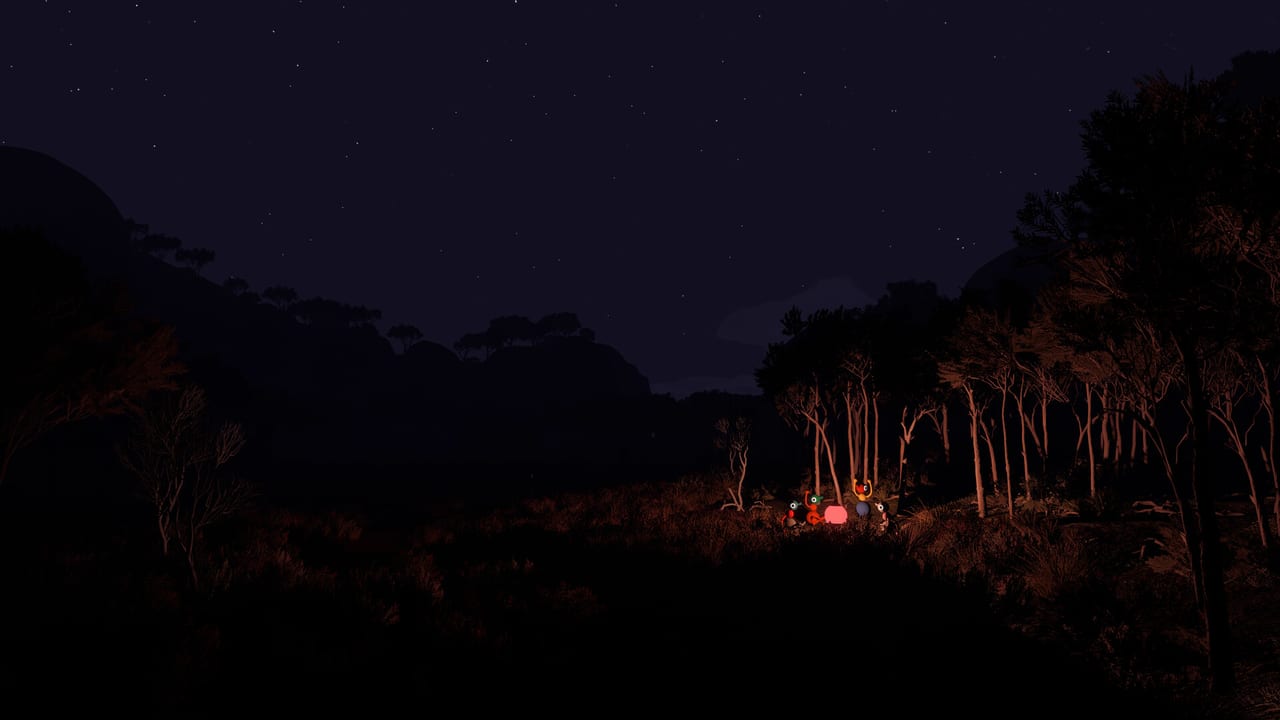
Big Walk scatters cooperative challenges across its wilderness: locked gates, relay switches, line-of-sight riddles, timing sequences, and multi-room trials that only make sense when two to twelve players share information in real time. This guide does not list every solution—that would rob your party of the “we finally got it” moment that defines the game. Instead, it teaches repeatable habits, tool combinations, and communication patterns that unblock trails without heavy spoilers.
If you have not played yet, skim Getting Started for session basics and Proximity Chat Guide for why information delay matters. Puzzle design in Big Walk assumes you sometimes cannot hear teammates on the other side of a ridge.
How Big Walk structures challenges
Most challenges fall into a few archetypes:
- Observation gates —One area reveals a clue; another area applies it. Scouts gather; anchors execute.
- Synchronization checks —Multiple players must act together or in sequence within a time window.
- Relay paths —Information or objects move through a chain of players because no single vantage shows everything.
- Tool-gated interactions —Binoculars, laser pointers, flares, or whiteboards become mandatory extensions of the puzzle, not optional helpers.
- Environmental storytelling —Trails teach mechanics through prior landmarks; rushing past scenery means missing hints.
Recognizing the archetype saves hours. When stuck, ask: “Do we lack information, timing, or a tool?” That single question prevents random switch flipping.
The scout-and-anchor routine
Assign two rotating roles before entering puzzle-dense regions:
- Scout —Moves to high ground or forward checkpoints with binoculars and a walkie-talkie. Describes symbols, colors, counts, or movement patterns without interpreting them aloud until the anchor confirms copy.
- Anchor —Stays at the interactive panel, gate, or lever cluster. Repeats information back verbatim before acting.
Swap roles every challenge so one player does not become the permanent “puzzle solver.” Big Walk shines when the whole party repeats the Eureka moment, not when one person reads a solution off a stream chat.
Add a runner in large groups who physically ferries confirmation between split paths when walkie-talkies are unavailable or intentionally limited by level design.
Observation habits that prevent dead ends
Slow down. The most common failure mode is sprinting past the clue wall because the vista looks prettier ahead. Build these habits:
- Pan the full 360 at every new plateau before anyone leaves the group.
- Line up landmarks —If a puzzle references a peak or bridge, mark it with a laser pointer so everyone shares the same noun.
- Photograph or whiteboard —Sketch switch layouts when more than three symbols appear. Memory drifts after the fourth wrong attempt.
- Revisit after tool unlocks —Some gates look impossible until you earn megaphones or extended-range comms later on the same trail.
- Listen for audio cues —Wind, bells, or mechanical clicks sometimes indicate success before visual feedback arrives.
These steps solve a surprising share of “bugged gate” reports that are actually missed environmental hints.
Tool combinations without spoiling specific puzzles
Tools rarely work in isolation on harder trails. Think in pairs:
| Combo | Typical use |
|---|---|
| Binoculars + walkie-talkie | Scout reads distant pattern; anchor inputs locally |
| Laser pointer + flare | Day and night visibility for the same landmark |
| Megaphone + gesture | Voice reaches valley; silent confirmation prevents double triggers |
| Whiteboard + text chat | Persistent diagram for players arriving late to a split |
Do not hoard tools on one player. Drop walkie-talkies at junctions when the level clearly wants pairs to separate. If nobody knows who carries flares, you will lose five minutes during fog.
Timing and synchronization tips
When a challenge clearly wants simultaneous action:
- Count down from three on voice—visual-only groups use arm drops.
- Designate one caller; parallel countdowns cause off-by-one errors.
- Fail fast and debrief —Big Walk often resets gently. Use failures to confirm which player triggered early.
- Watch latency —Crossplay between Steam, PS5, and Switch 2 can add slight input delay. Callers should pause an extra beat on “go.”
If a gate refuses to open after a perfect sync attempt, verify all required players are within activation range. Proximity matters for both mechanics and chat—standing six meters too far back looks like a bug but is often correct design.
Spoiler-light examples of thinking patterns
Without naming specific levels, here is how successful groups describe mysteries internally:
- “We see three distinct inputs but only two of us can reach them—who relays?”
- “The clue repeats every thirty seconds—that screams timing, not brute force.”
- “Only one of us can see the moving element—everyone else stop toggling switches.”
- “We need height—send binoculars uphill before we touch the panel again.”
If your internal monologue sounds like a walkthrough step list, pause and let scouts gather one more minute of data. Big Walk rarely requires obscure leap-of-logic; it rewards patience and clear repetition.
Large groups versus small duos
Two-player parties must swap scout and anchor constantly—there is no bench warmer to hold a third vantage. Twelve-player lobbies risk noise: assign temporary sub-groups of three or four with one delegate who speaks to the other sub-groups. Megaphones become crowd control tools when twelve people talk over the same switch.
Duos benefit from intimacy; large groups benefit from bureaucracy. Neither size is wrong, but pretending a twelve-person Discord is a duo hike causes chaos.
When to take a break and regroup
If frustration spikes, use a structured reset instead of random retries:
- Everyone returns to the last stable checkpoint.
- Scout makes one fresh observation pass without input from anchors.
- Group writes a shared hypothesis on the whiteboard in three words max.
- Test the hypothesis once, not five times with minor variations.
Breaks also help hosts managing save continuity—see Host Saves Explained—because rage-quitting sometimes kicks guests before progress autosaves.
What this guide deliberately omits
Step-by-step solution chains for named trails, hidden collectible routes, and secret endings belong in dedicated walkthrough pages if the community creates them later. This page stays evergreen by teaching how to think. Pair written strategy with the gameplay demo video on this page when you want to see cooperative movement and tool usage in motion without spoiling late-game twists.
Related reading
- Getting Started —first-hour checklist and tool introductions
- Proximity Chat Guide —why information delay is a feature
- Review —spoiler-light take on whether puzzle variety justifies the purchase
Big Walk puzzles are social exercises disguised as padlocks. The lock opens when everyone shares the same sentence aloud—not when one person finds a guide paragraph online. Learn the habits here, trust your scouts, and the trails will feel fair even when they are difficult.
Frequently Asked Questions
Quick answers to the most common Big Walk questions.
Does this guide include full puzzle solutions?
No. It teaches observation habits, roles, and tool combinations without step-by-step spoilers for specific trail challenges.
How many players do puzzles require?
Most trails scale between two and twelve players, but some synchronization gates need minimum headcounts. Split roles rather than idle players when groups are large.
What tools matter most for puzzles?
Binoculars, walkie-talkies, laser pointers, and whiteboards appear repeatedly. Flares and megaphones matter on split-elevation and low-visibility sections.
We followed a clue but the gate will not open. Is it bugged?
Usually proximity, timing, or incomplete information is the cause. Repeat the scout-and-anchor routine before assuming a bug.
Can crossplay affect puzzle timing?
Slight input latency across Steam, PS5, and Switch 2 can affect tight sync puzzles. Callers should add a small pause on countdowns.